Project overview
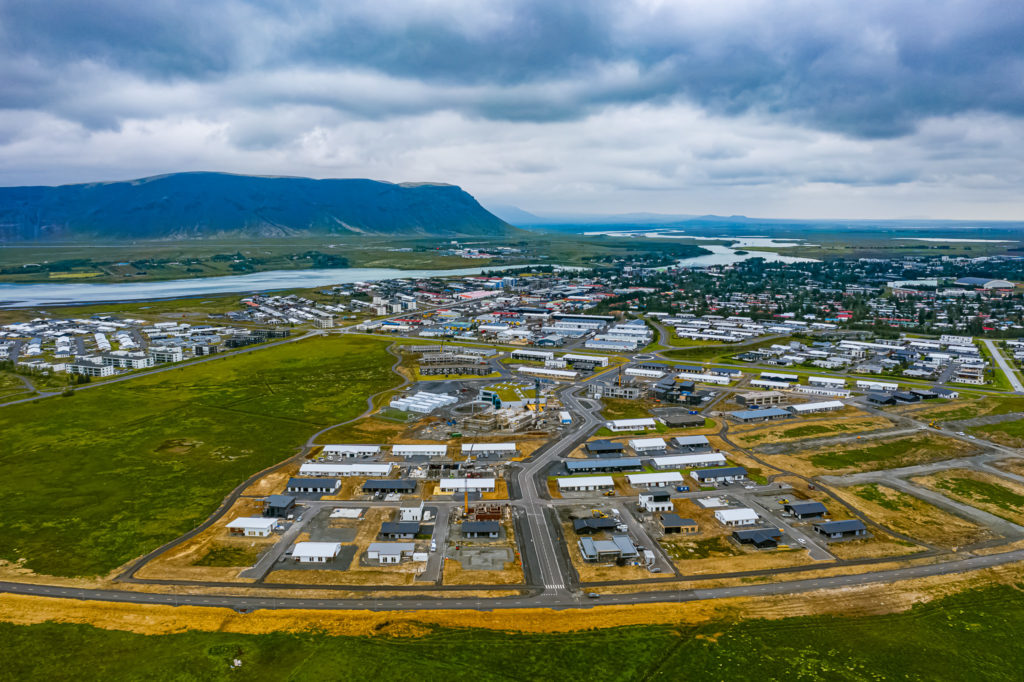
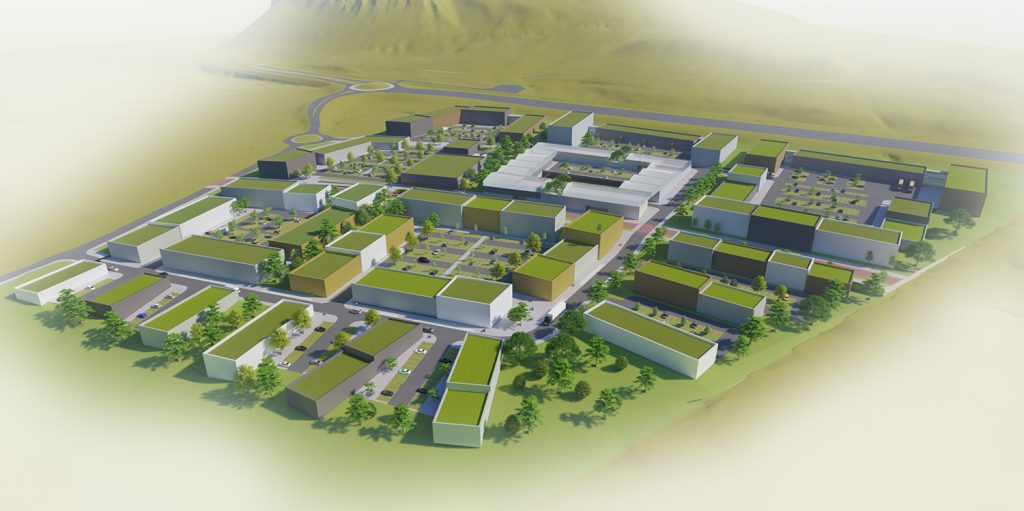
When fully developed, the district is expected to accommodate up to 8,000 residential units, three primary schools, commercial services, workplaces, and a wide range of community amenities. The area is planned for a population of up to 20,000 residents and will be served by the future Borgarlína public transport system, with a strong emphasis on public transport, walking, cycling, and other sustainable modes of travel.
Verkís has been involved in the development of Höfði since 2015, contributing multidisciplinary expertise across planning, infrastructure, and environmental services. The scope of work has included street and transportation design, utility design, blue-green stormwater solutions, environmental impact assessment, contamination investigations, geotechnical studies, and acoustic design.
The project demonstrates how integrated planning and engineering can support the transformation of existing urban areas into sustainable and future-ready communities.
8000
Planned residential units
The Challenge
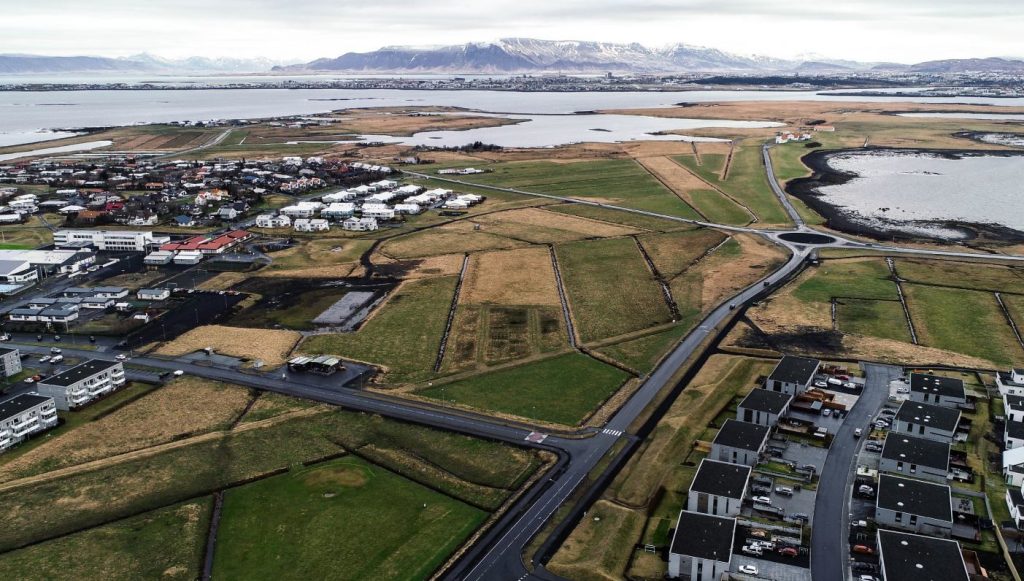
Höfði is one of Reykjavík’s largest urban regeneration projects, transforming a former industrial area into a vibrant, mixed-use district for up to 20,000 residents. The challenge was to develop sustainable infrastructure that supports future growth while integrating climate resilience, green infrastructure and modern mobility solutions.
Our Solution
Since 2015, Verkís has provided multidisciplinary engineering and consultancy services throughout the development of Höfði. Our work includes transportation and street design, utility infrastructure, blue-green stormwater solutions, environmental impact assessments, contamination investigations, geotechnical engineering and acoustic design, creating an integrated framework for sustainable urban development.
The Result
Höfði is becoming a future-ready urban district designed around sustainable mobility, resilient infrastructure and high-quality public spaces. The project demonstrates how integrated planning and multidisciplinary engineering can successfully transform existing urban areas into sustainable communities that support long-term environmental, social and economic goals.

 Danish
 Icelandic