Project overview
It is estimated that the project as a whole will sequester around 400 tonnes of carbon in the ground, which amounts to an average driving of around 150 cars per year. In the same report, several ways of reclaiming wetlands in the area were proposed.
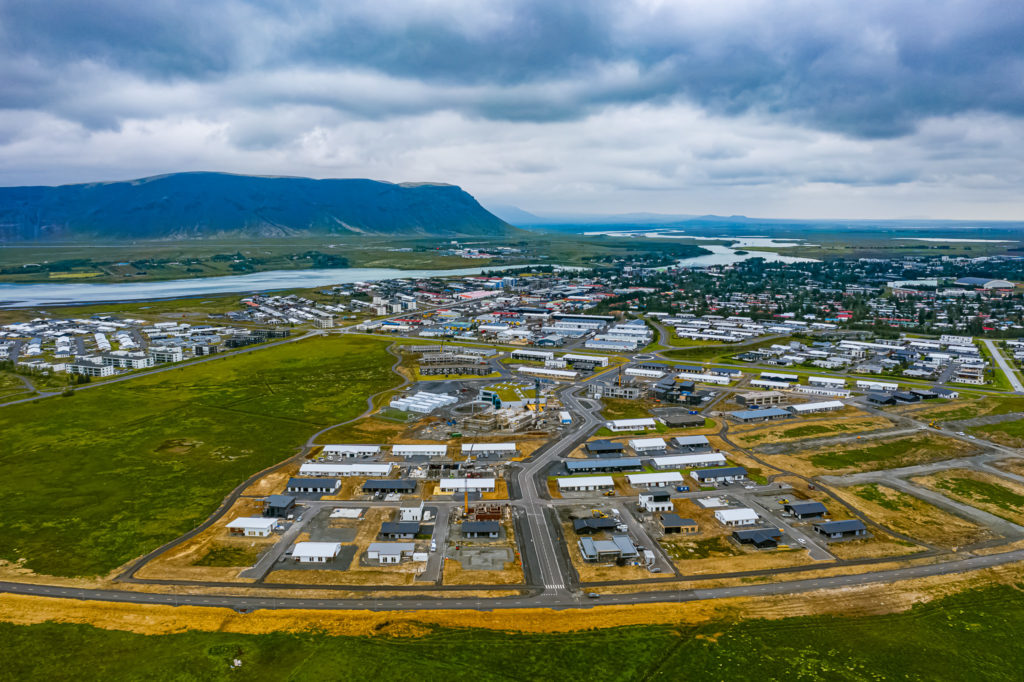
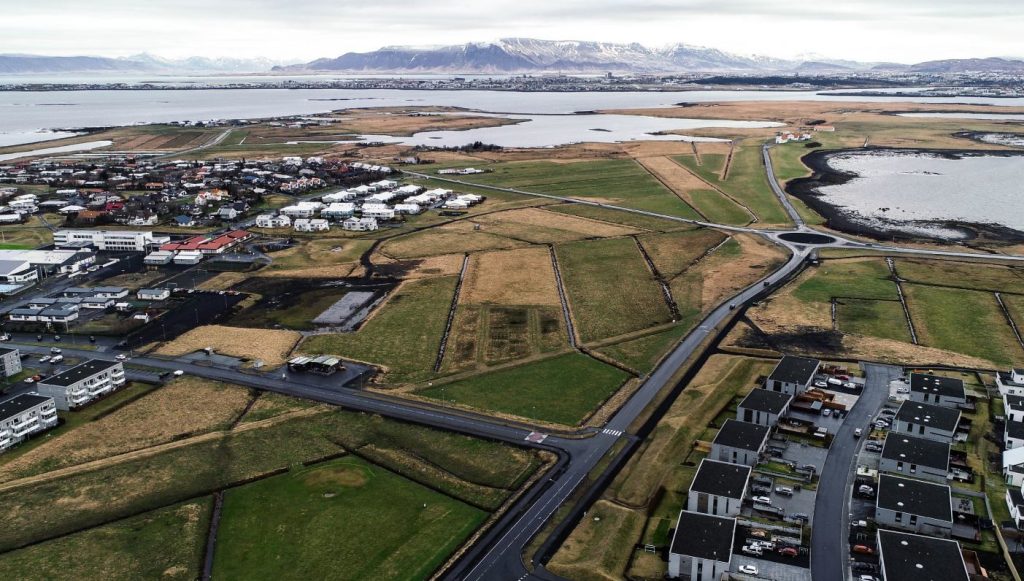
By damming or filling in drainage ditches, wetlands that were previously disturbed can be reclaimed and, in the process, the area can be developed as a nature reserve and outdoor recreation area. When the land gets wet again when the canals are closed, there are many changes that occur. Wetland vegetation replaces dryland vegetation and the composition of the birdlife changes, but the birdlife in Úlfársdalur is quite diverse.
The carbon farming of the area changes as a result of reclamation. When wetlands are drained and dried, as was done in Úlfarsárdalur, it starts to release carbon in the form of greenhouse gases, but when it is reclaimed, this process reverses and carbon sequestration begins anew.
When the City of Reykjavík had decided to launch the reclamation, a landscape designer at Verkís participated in the project with the aim of making the area more beautiful afterwards, among other things by designing ponds. Verkís worked on quantification and tender documents and supervised the construction.
400tonn
Carbon Sequestration
150cars
Equivalent Impact
The Challenge
Large areas of wetlands in Úlfarsárdalur had been drained, resulting in greenhouse gas emissions, habitat degradation and the loss of valuable natural ecosystems. The challenge was to restore the area’s ecological functions while creating a valuable recreational landscape for the public.
Our Solution
Verkís carried out environmental assessments and developed restoration proposals showing that approximately 75% of the 87-hectare site could be restored to wetland. Our multidisciplinary team designed restoration measures, prepared tender documents, carried out quantity surveying, supervised construction and developed landscape solutions, including ponds and recreational features that enhance biodiversity and public access.
The Result
The restored wetlands are expected to sequester approximately 400 tonnes of carbon while improving biodiversity, strengthening climate resilience and creating an attractive natural recreation area for Reykjavík residents. The project demonstrates how nature-based engineering solutions can successfully combine climate action, ecosystem restoration and sustainable urban development.

 Danish
 Icelandic