Project overview
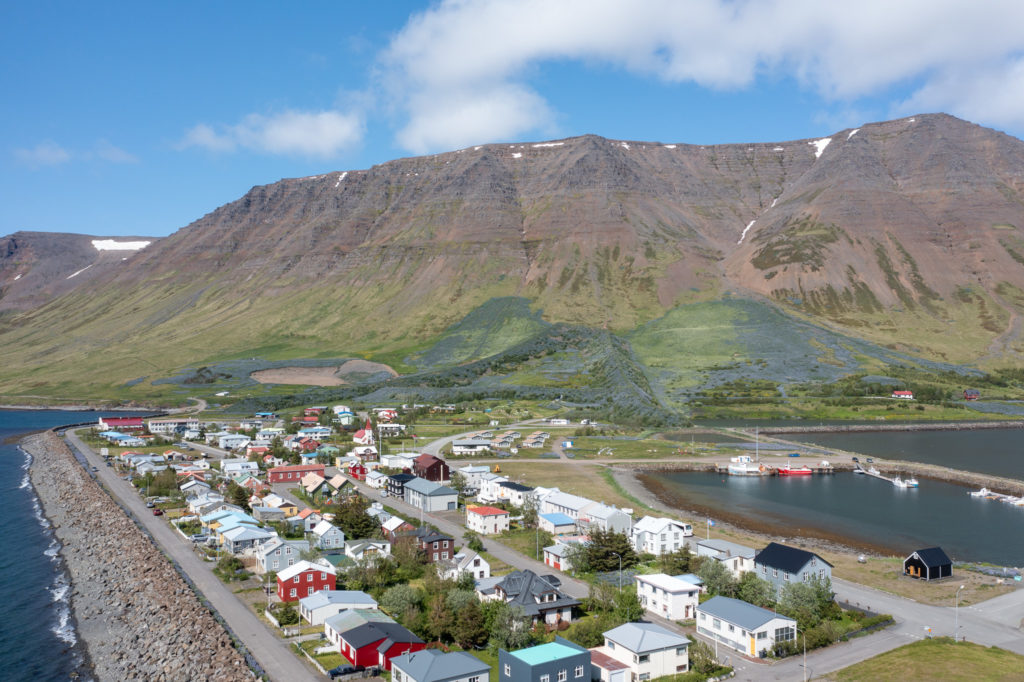
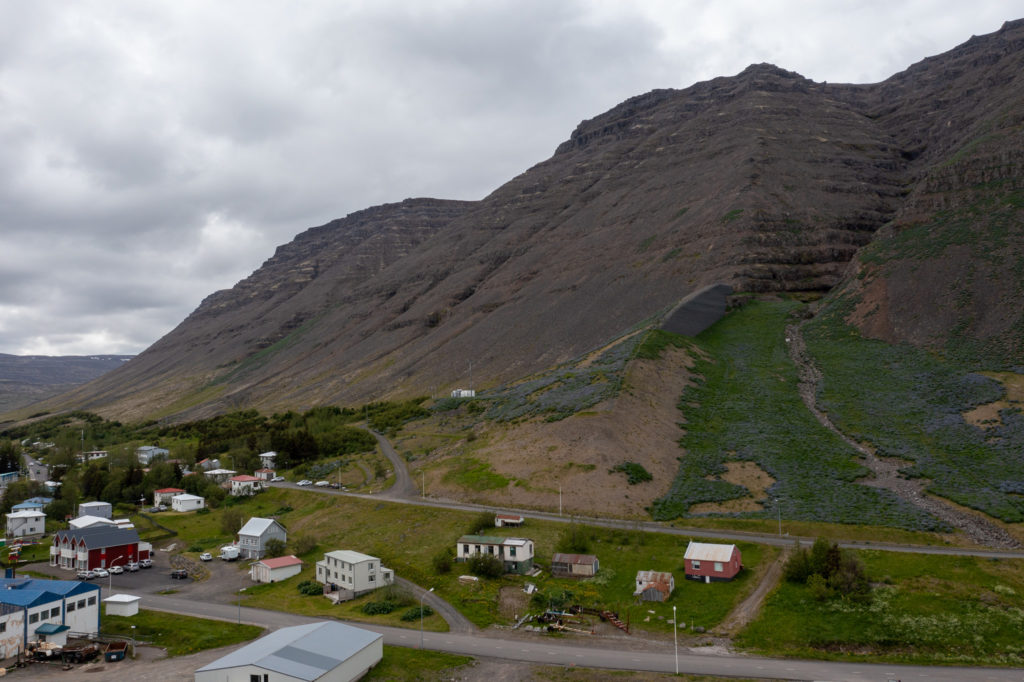
It is believed that the frequency of avalanches above Brún is much higher than below it, and the dams are supposed to prevent floods from reaching past Brún and down into the settlement.
In June 2003, work began on the development of avalanche defenses at Brún in Bjólfur. There are two avalanche defense dams, a levee and a catching dam. The defenses are 20 metres high and their lower part is built with a slope of 1:1.3–1:1.5. Their upper part, 10 metres, is steep 1:0.25, built with net grids. The levee is almost 200 metres long and the catching dam around 450 metres. Soil material for the defenses was entirely taken from the work site, but it is assumed that the total volume of fill for the defenses was over 210,000 square metres.
Verkís manages the project design of the catching dam and the levee, as well as the preparation of the tender documents.
The Challenge
Bjólfur has a long history of destructive avalanches, including one of Iceland’s deadliest avalanche events in 1882, when 24 people lost their lives. Protecting the community of Seyðisfjörður from future avalanche hazards required robust engineering solutions that could withstand extreme conditions while adapting to the challenging mountainous terrain.
Our Solution
Verkís was responsible for the design of the avalanche protection system, including a 450-metre-long catching dam and a 200-metre-long deflecting levee, as well as the preparation of the tender documents. The 20-metre-high structures were carefully designed using locally sourced materials to intercept avalanches before they could reach the settlement, combining geotechnical expertise, risk assessment and sustainable construction practices.
The Result
The completed avalanche defenses significantly improve the safety and resilience of Seyðisfjörður by reducing the risk of avalanches reaching the town. The project demonstrates how innovative engineering and thoughtful design can protect communities, preserve critical infrastructure and provide long-term resilience against natural hazards.

 Danish
 Icelandic