Icelandic
Services
Pollution Research
One of the main purposes of pollution research is to prevent negative impacts on human and ecosystem health.
It is therefore important to deal with environmental pollution early.
Request a consultation
Services
One of the main purposes of pollution research is to prevent negative impacts on human and ecosystem health.
It is therefore important to deal with environmental pollution early.
Request a consultationBy its nature, pollution research can be time-consuming and costly. However, that time and money are well spent as the research can prevent unexpected pollution issues from arising when construction is started. Targeted pollution research can therefore bring financial benefits. Our experts also strive to reduce laboratory chemical analysis costs through concise pollution research. We look at, for example, historical sources and use both our senses and measuring devices in the field.
There are many things to consider at the beginning of the planning process, for example when the land use of an area is being altered. Verkís’ experts place great emphasis on surveying the pollution status of a site at the very beginning of the process, because the results can influence how the site is planned in terms of different sensitive receptors (e.g. whether it is a preschool area, an apartment building with home cultivation, or a commercial space.)
Stages of pollution research at Verkís:
First stage: Preliminary Site Investigation
Consists mostly of data gathering, where the history of the site, including possible pollution, is traced. A conceptual site model, which summarises the existing knowledge, is created and continues to develop as more data is acquired.
Second stage: Detailed Site Investigation
The preliminary investigation dictates the direction of the detailed investigation, e.g. regarding sampling points. Sampling for chemical analysis of oil substances, heavy metals, and volatile organic substances, amongst others, and processing the results of the chemical analyses. The conceptual site model continues to evolve.
Third and fourth stage: Remedial measures and monitoring
By carrying out the first and second stage of the pollution research, it is possible to accurately assess the scope and type of the remedial measures that are needed. A monitoring period follows remedial measures to assess their progress.
Contacts

Erla Guðrún Hafsteinsdóttir
Environmental Geochemist Ph.D.
Division: Infrastructure
egh@verkis.is

Hugrún Gunnarsdóttir
Fish Biologist M.Sc. / Marketing manager
Division: Infrastructure
hug@verkis.is
Lorem ipsum dolor sit amet, consectetuer adipiscing elit, sed diam nonummy nibh euismod tincidunt ut laoreet dolore magna aliquam erat volutpat.
We provide pollution investigation services that identify environmental contamination risks and support safe, sustainable land development. Our specialists assess soil, groundwater and other environmental media to establish baseline conditions and guide informed decision-making.
We carry out site investigations, environmental sampling and contamination assessments to identify pollutants, evaluate risks and determine appropriate remediation strategies. Our multidisciplinary approach combines historical research, field investigations and laboratory analysis to deliver reliable, evidence-based results.
We support clients throughout the remediation process, from contamination assessment and clean-up planning to environmental monitoring and regulatory compliance. By combining scientific expertise with practical experience, we help restore contaminated sites and enable responsible, sustainable development.
Verkís supports clients in investigating and managing environmental pollution through monitoring, sampling, analysis, and risk assessments. Our specialists provide reliable data and practical solutions that support environmental compliance, site remediation, sustainable development, and informed decision-making.
We develop action plans that provide clear strategies and practical measures to address environmental challenges, risks, and regulatory requirements.
We conduct soil, water, and air sampling to provide reliable environmental data for assessments, monitoring, and regulatory compliance.
We carry out field measurements to collect accurate data that supports environmental assessments, monitoring, and project development.
We implement monitoring programmes to track environmental conditions, verify compliance, and evaluate the effectiveness of mitigation and remedial measures.
We support BREEAM certification processes by assessing sustainability performance and helping projects meet recognised environmental standards.
We provide pollution research services that turn environmental data into actionable insights. Our specialists help clients identify risks, manage environmental impacts, and develop sustainable solutions with confidence.
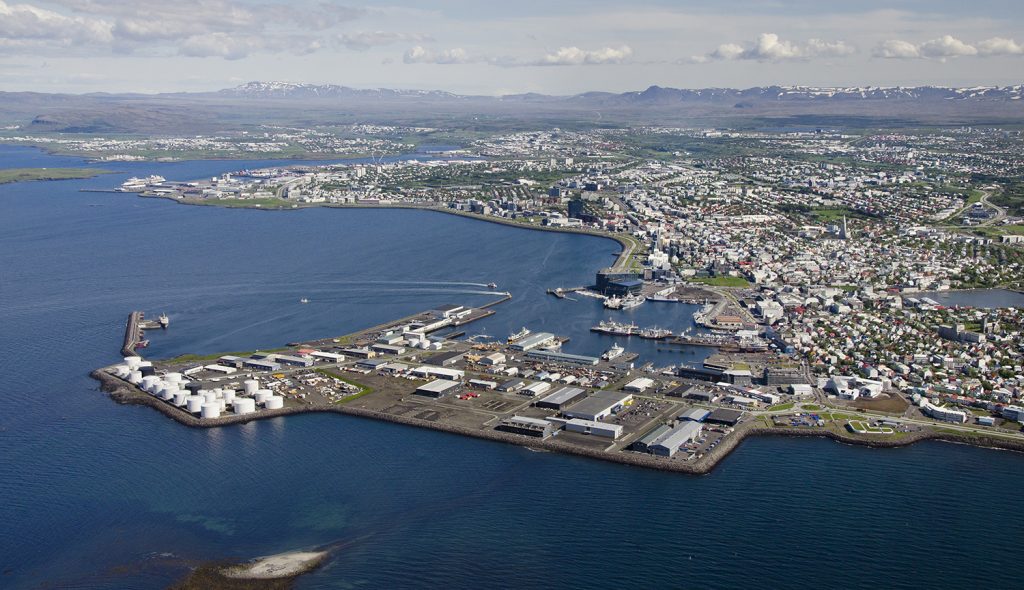
Environmental pollution assessment to support the dredging of Sundahöfn and informed project decision-making.
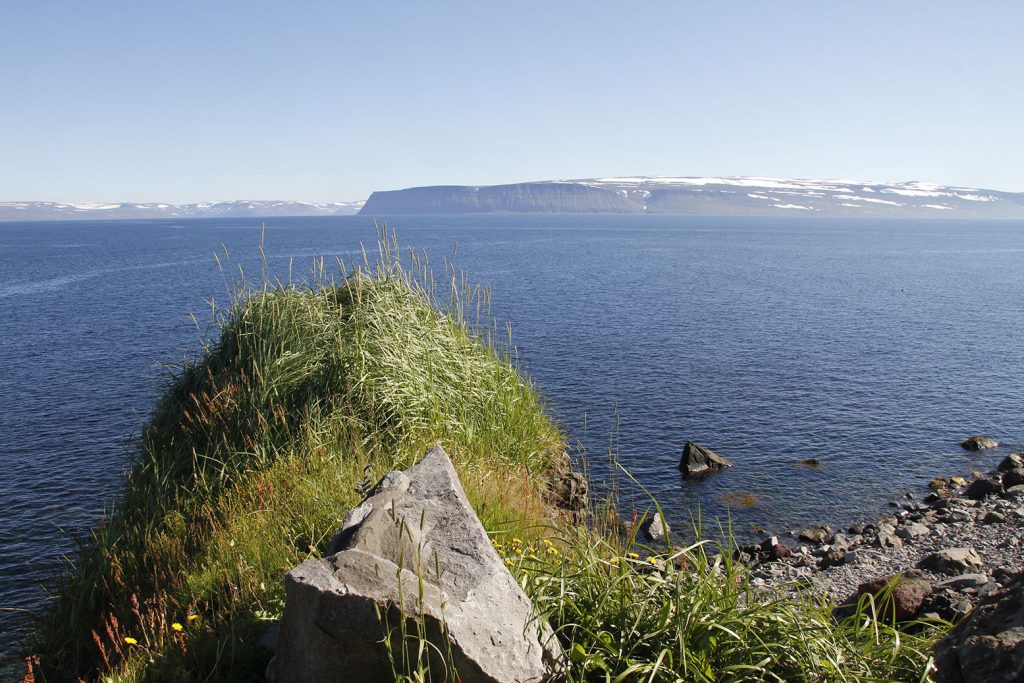
Investigations and remedial planning for Stokksnes to support environmental management and long-term site improvement.