Project overview
The audit aims to analyse whether there is a need to establish a micro power plant fund in the Westfjords, the aim of which would be to support the first steps in research and increase the potential for micro power plants in the Westfjords.
In the audit, the power development options that have already been examined will be researched and recorded, the watersheds of the whole of the Westfjords will be screened and the main harnessing parameters of the power plants will be examined. The results of the report can be used to assess which power developments options in the Westfjords are the most cost-effective.
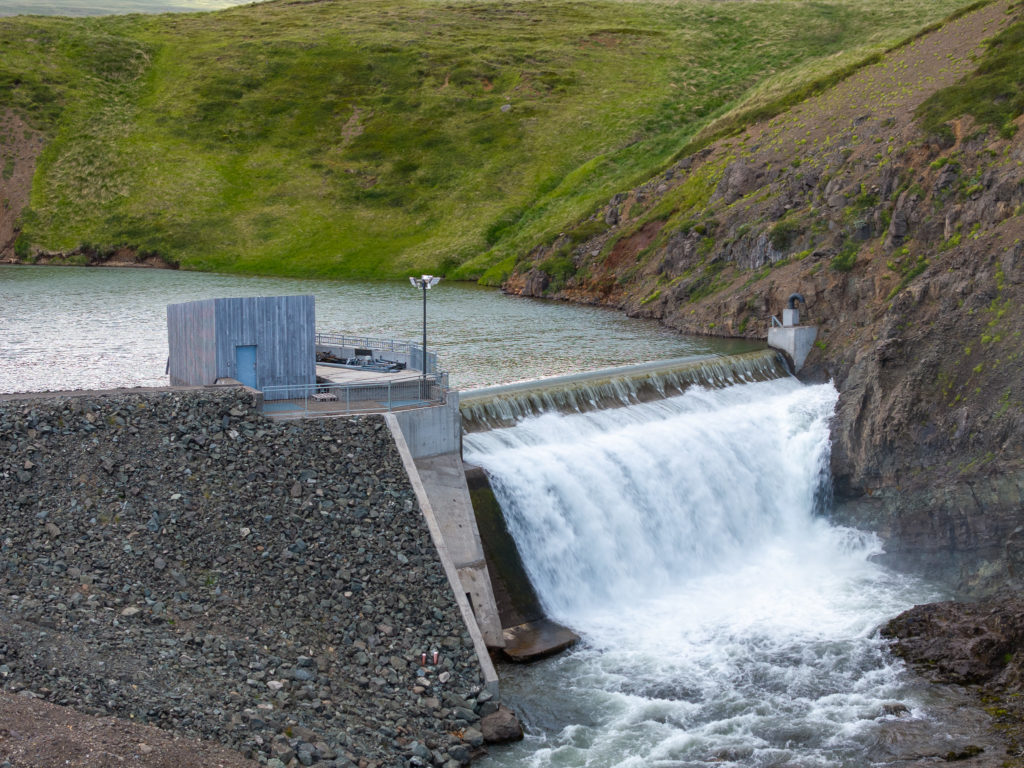
The construction of micro power plants will be important in Iceland’s increased electricity generation needs, as the number of larger power development options is now decreasing. The micro power plants will contribute to increased energy security in the countryside and can also support farming and other economic activities across the country. Power plants with an installed power of up to 10 megawatts are considered micro power plants.
The Challenge
As demand for renewable electricity continues to grow, smaller hydropower schemes offer an opportunity to strengthen regional energy security and make better use of local water resources. The challenge was to identify and evaluate the most promising micro hydropower opportunities across the Westfjords to support future sustainable energy development.
Our Solution
Verkís carried out a comprehensive assessment of micro hydropower potential across the Westfjords, reviewing previously identified opportunities, screening regional watersheds and evaluating the technical and economic viability of potential sites. The study established a structured basis for prioritising future developments and assessed the need for a dedicated funding mechanism to support early-stage project development.
The Result
The study provides decision-makers with a strategic roadmap for identifying the most cost-effective micro hydropower opportunities in the Westfjords. By supporting the development of hydropower plants of up to 10 MW, the project contributes to increased renewable electricity generation, improved regional energy security and sustainable economic development in rural communities.

 Danish
 Icelandic