Skip to content

Services

Reclamation of Wetlands

With the reclamation of wetlands, the process revolves around sequestration of carbon in the soil.

Verkís provides consultation to municipalities and companies regarding the reclamation of wetlands and the creation of action plans for that purpose.

Request a consultation


Return to a previous state

A large part of the wetlands in the lowlands has been disturbed by drainage, but since the late 20th century, the state has subsidised such projects. 34.000 km of canals were dug, which disturbed about 4,200 km² of land.

Wetland soil is very carbon rich. Carbon accumulates in bog soils because they are water-saturated and oxygen-poor. The conditions are unfavorable for saprophytes, and the organic mass generated every year does not break down except to a small extent, but accumulates instead.

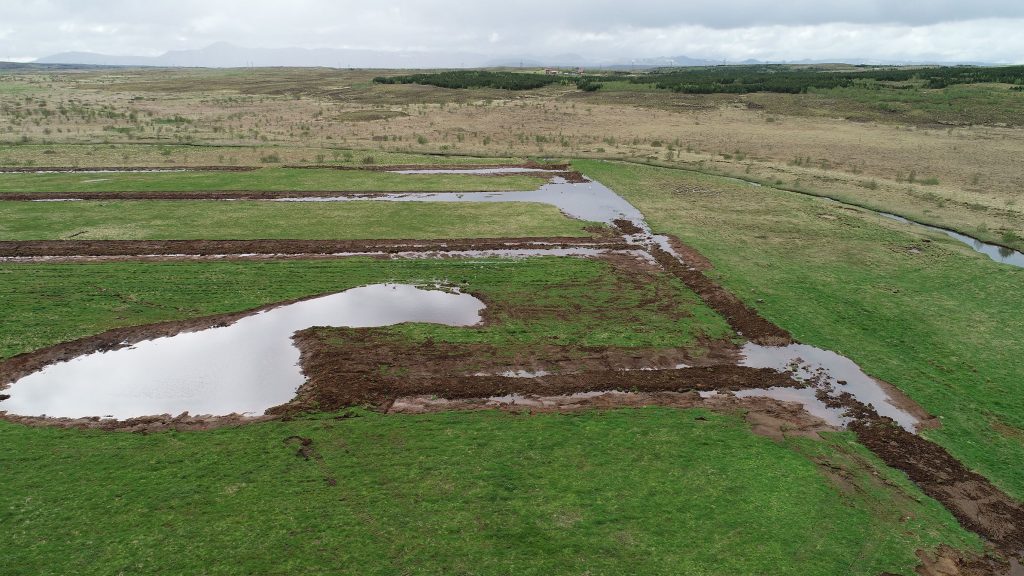
When wetlands are drained, the water level drops, the ground temperature rises, and oxygen becomes available. This causes organic matter, which has accumulated over the centuries, to begin to decompose, with the associated release of greenhouse gases. With the reclamation of wetlands, the process reverses and net sequestration of carbon begins again.

Drained wetlands are largely responsible for CO2 emissions in Iceland. Therefore, wetland reclamation is a powerful way to combat climate change. When the land gets wet again when the canals are closed, there are many changes that occur. Wetland vegetation replaces dryland vegetation and the composition of the birdlife changes.


Contacts

Arnór Þórir Sigfússon
Animal Ecologist Ph.D.
Division: Infrastructure
ats@verkis.is

Þórhildur Guðmundsdóttir
Civil Engineer M.Sc. / Team Leader
Division: Infrastructure
tg@verkis.is


Reclamation of Wetlands Solutions

Verkís provides wetland restoration services that support carbon sequestration, biodiversity and sustainable land management through science-based planning, environmental assessment and long-term ecosystem restoration.


Exstensive Geothermal Energy Solutions


Lorem ipsum dolor sit amet, consectetuer adipiscing elit, sed diam nonummy nibh euismod tincidunt ut laoreet dolore magna aliquam erat volutpat.


We provide consultancy services for wetland restoration projects that support climate action, biodiversity and sustainable land management. Our specialists help municipalities, landowners and organizations restore degraded wetlands while balancing environmental, ecological and societal objectives.


We assess site conditions, develop restoration strategies and prepare action plans based on scientific evidence and environmental best practices. Our services include hydrological assessments, ecological evaluations, carbon sequestration analysis and regulatory support to ensure effective and sustainable restoration.


We support wetland restoration projects from planning and implementation to monitoring and long-term evaluation. By restoring natural hydrology and ecosystem functions, we help reduce greenhouse gas emissions, enhance biodiversity and strengthen the resilience of natural landscapes.


Wetland Restoration

Verkís supports clients in the restoration and reclamation of wetlands through environmental assessments, planning, design, and monitoring. Our specialists develop nature-based solutions that enhance biodiversity, improve water management, support climate resilience, and contribute to the long-term recovery of natural ecosystems.


We provide comprehensive planning for large-scale wetland restoration projects, supporting ecosystem recovery, biodiversity, and sustainable land management.


We provide consultancy services for municipalities and private landowners on the planning and implementation of wetland restoration projects.


We develop action plans that provide a clear framework for the successful implementation and management of wetland restoration projects.


Explore Our Reclamation of Wetlands Projects

We provide wetland restoration services that bring natural systems back to life. Our specialists create sustainable, nature-based solutions that support biodiversity, improve water resources, and strengthen climate resilience.


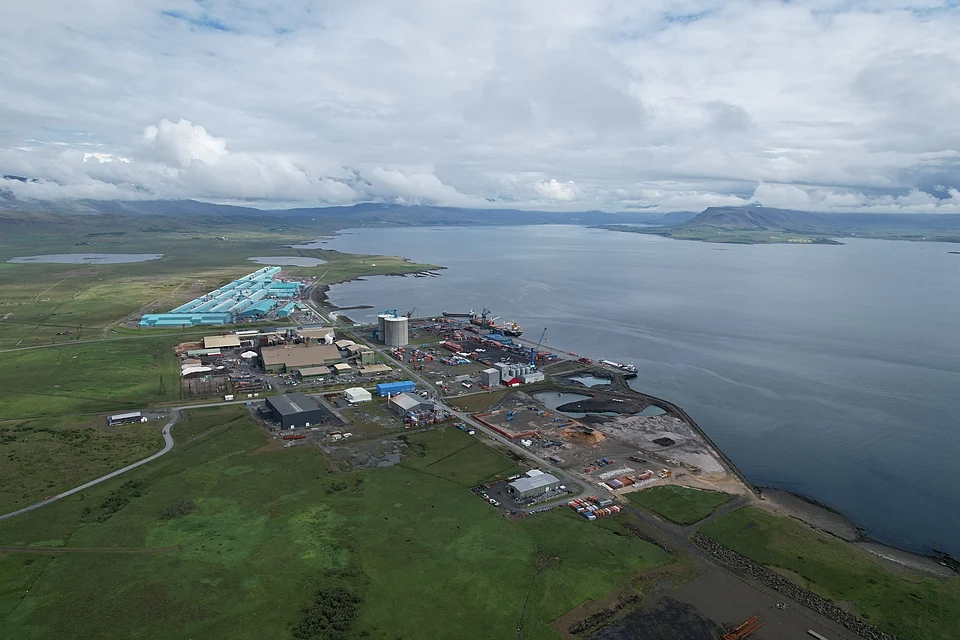
Katanestjörn

Katanestjörn

Restoration of Katanestjörn to improve ecological conditions and strengthen natural habitats.


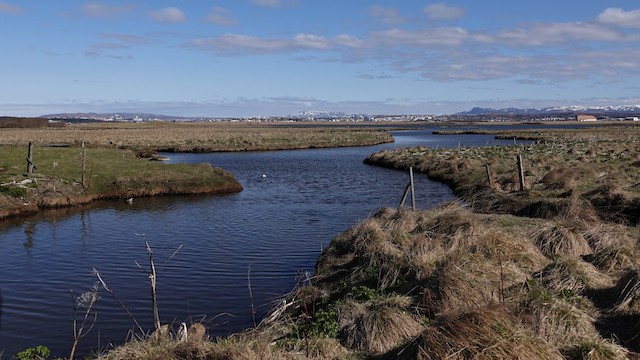
Kasthústjörn

Kasthústjörn

Restoration of Kasthústjörn to improve ecological conditions and strengthen wetland habitats.